
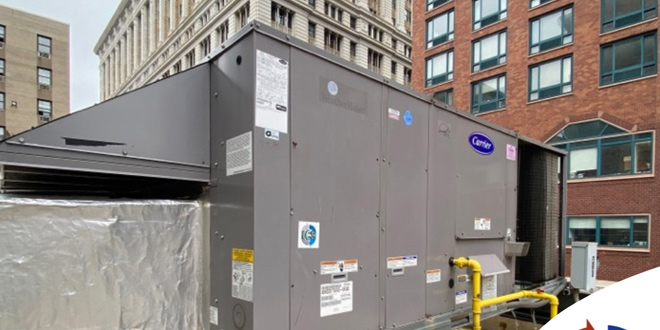
Spring is one of the most strategic times of year for commercial HVAC inspections. As buildings transition out of heating season and prepare for warmer weather, inspections performed in spring help property managers, facility directors, and owners prevent summer breakdowns, control costs, and maintain consistent occupant comfort.
Spring Offers a Natural HVAC Transition Point
After months of heavy winter operation, commercial HVAC systems have accumulated wear that isn’t always visible. Spring provides a critical window to evaluate system condition before cooling demand peaks. Addressing issues now avoids disruptions when systems are running at full capacity during summer.
This seasonal transition also allows inspections to focus on both heating performance wrap-up and cooling readiness.
Identify Hidden Issues Before Peak Demand
Minor HVAC problems often stay hidden until systems are pushed hard. Spring inspections uncover issues such as:
- Dirty or restricted coils
- Worn belts and bearings
- Electrical component fatigue
- Control calibration errors
- Airflow and balancing problems
Scheduling inspections early allows repairs to be planned instead of rushed during heat waves.
Reduce the Risk of Summer Breakdowns
Emergency HVAC failures are most common during peak cooling season. A spring inspection significantly lowers this risk by verifying system readiness ahead of time. Coordinating inspections with professional air conditioning service ensures cooling equipment is cleaned, tested, and operating efficiently before demand spikes.
Preventive action in spring is far more cost-effective than emergency service in July or August.
Improve Energy Efficiency and Operating Costs
Commercial HVAC systems that aren’t inspected and tuned tend to waste energy. Dirty components, faulty sensors, and poor airflow force systems to run longer than necessary. Spring inspections help restore efficiency, leading to lower utility costs throughout the summer.
Reviewing inspection findings alongside a broader services overview also helps identify opportunities for system optimization, controls upgrades, or phased improvements.
Protect Heating Equipment After Winter Use
Spring inspections aren’t just about cooling. Heating equipment should be evaluated after winter operation to catch wear, leaks, or safety concerns before systems are shut down or cycled less frequently. Pairing inspections with professional heater maintenance helps preserve equipment condition and extend system lifespan.
This is especially important for boilers and furnaces that will remain idle for months.
Support Better Planning and Budgeting
Spring inspections provide valuable data for capital planning. Knowing which components are aging, inefficient, or nearing failure allows property managers to:
- Budget for repairs or replacements
- Schedule work during off-peak periods
- Avoid surprise expenses
- Communicate clearly with ownership and stakeholders
Planning ahead strengthens long-term asset management and reduces reactive spending.
Maintain Consistent Comfort for Occupants
Temperature complaints often increase during seasonal transitions. A spring inspection helps ensure controls, sensors, and zoning respond accurately as outdoor conditions fluctuate. This results in smoother changeovers, fewer comfort complaints, and improved tenant satisfaction.
For buildings with mixed-use spaces or variable occupancy, early adjustments are especially valuable.
Prepare for Long-Term HVAC Strategy
Spring inspections often reveal opportunities to modernize systems. Property managers may explore:
- Control and scheduling upgrades
- Airflow and balancing improvements
- Equipment replacements
- Electrification options such as heat pump solutions where appropriate
Addressing these items early allows for thoughtful decision-making rather than rushed responses to failures.
Why Timing Matters for Commercial HVAC Inspections
Spring offers better scheduling flexibility, faster response times, and fewer emergency interruptions compared to summer. It’s the ideal season to assess system health while conditions are still manageable.
For commercial buildings across New York City and New Jersey, spring inspections are a proactive step toward reliable summer performance.
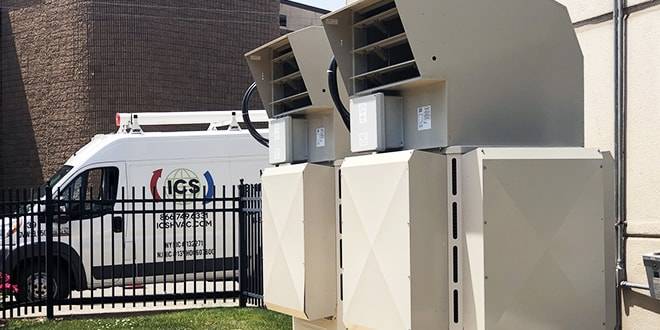
Work With a Trusted Commercial HVAC Partner
A spring inspection is only as effective as the expertise behind it. Working with an experienced provider like Integrate Comfort Systems ensures your commercial HVAC systems are thoroughly evaluated, accurately diagnosed, and properly prepared for the cooling season ahead. To schedule a commercial HVAC inspection this spring, contact us.