

Winter can expose weaknesses in commercial heating systems fast. When temperatures drop across New York City and New Jersey, heating equipment runs longer, demand spikes, and small issues can turn into no-heat emergencies that disrupt tenants, staff, and operations. Preparing your commercial heating system before winter helps prevent breakdowns, control fuel costs, and keep buildings safe and comfortable through the coldest months.
Start With a Pre-Winter Inspection and Maintenance Plan
The smartest way to avoid winter failures is to schedule service before heating season begins. A structured approach through a complete services overview helps ensure inspections, testing, and repairs happen proactively—before equipment is under peak demand.
For buildings with multiple systems or tenants, early planning also improves scheduling and reduces emergency service risk during the busiest weeks of the year.
Schedule Preventive Heater Maintenance
Preventive service is the foundation of winter readiness. Professional heater maintenance helps confirm your system is safe, efficient, and reliable before it’s needed daily.
Typical pre-winter maintenance includes:
- Heat exchanger inspection
- Combustion and safety control testing
- Burner cleaning and calibration
- Ignition and flame-sensing checks
- Airflow and distribution verification
These steps reduce failure risk and support efficient performance throughout the season.
Inspect Boilers, Furnaces, and Hydronic Systems Thoroughly
Commercial heating systems vary widely by building type. Whether you’re running a boiler plant, rooftop units with heat, or dedicated furnaces, winter preparation should focus on both equipment and distribution.
For broader repairs, upgrades, or system troubleshooting, professional heating services can address issues like inconsistent heat, mechanical wear, and control problems before they become emergencies.
Verify Controls, Scheduling, and Setpoints
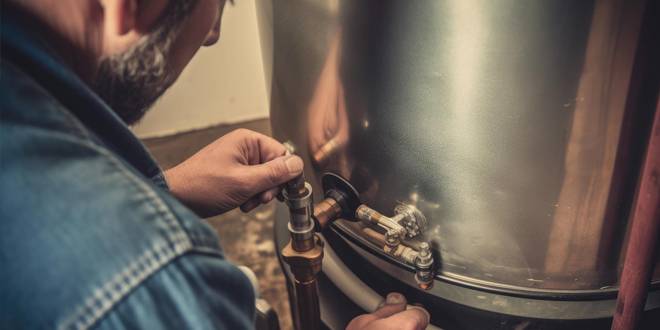
Control errors are a major cause of winter comfort complaints and energy waste. Before winter:
- Confirm thermostats and sensors are calibrated
- Verify time schedules match occupancy
- Check sequencing and staging logic
- Eliminate simultaneous heating and cooling conflicts
If your building uses building automation, seasonal commissioning is especially valuable to ensure systems respond correctly as outdoor temperatures change.
Confirm Ventilation and Combustion Safety
For fuel-burning equipment, safety checks are non-negotiable. Pre-winter service should verify:
- Proper combustion and draft
- Safe venting and flue integrity
- Carbon monoxide safety considerations
- Functioning safety switches and limits
These steps protect occupants and reduce liability while ensuring equipment operates within safe parameters.
Check Airflow and Heat Distribution
Even reliable heating equipment can’t deliver comfort if airflow and distribution are compromised. Before winter:
- Replace filters and verify airflow
- Inspect belts, motors, and bearings
- Balance zones to reduce hot/cold spots
- Confirm dampers and valves respond correctly
Fixing distribution problems early helps prevent thermostat overrides and excessive runtime during peak season.
Prepare for Peak Demand and Extreme Cold
Cold snaps can push systems beyond normal operating conditions. Winter readiness should include:
- Confirming backup heat strategies where applicable
- Testing freeze protection and low-temperature safeties
- Ensuring access to mechanical rooms and rooftop equipment
- Documenting emergency contacts and response procedures
Proactive planning reduces downtime when conditions are at their worst.
Consider Efficiency Improvements Before Winter
If your building experiences high heating bills or chronic winter complaints, pre-season is the ideal time to evaluate upgrades. Potential improvements include:
- Control optimization and scheduling changes
- System balancing and airflow corrections
- Boiler or burner efficiency upgrades
- Equipment replacement planning
In some commercial applications, modern heat pump solutions can support electrification and efficiency goals—especially in buildings seeking alternatives to traditional heating fuels.
Don’t Ignore Cooling Equipment Planning
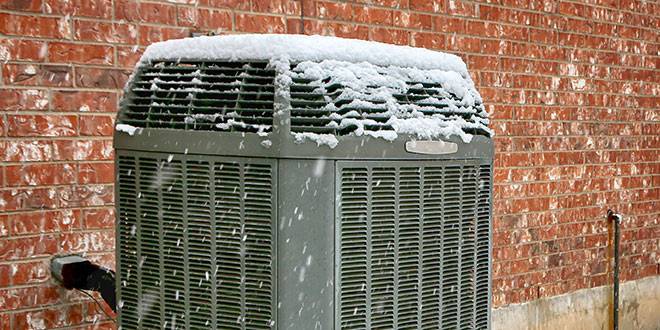
Even though winter is the focus, shoulder season is also a smart time to plan year-round HVAC performance. Coordinating service across systems improves reliability and reduces surprises when temperatures swing back toward cooling season.
For buildings that rely heavily on cooling, aligning winter planning with professional air conditioning strategies supports smoother transitions and better annual performance.
Work With a Commercial HVAC Partner Who Plans Ahead
Preparing commercial heating systems for winter is about more than a tune-up—it’s about reducing risk, improving efficiency, and protecting building operations through the coldest months. Working with Integrate Comfort Systems helps commercial properties across NYC and NJ stay prepared with proactive maintenance, responsive service, and smart planning. If you want to get your heating systems ready before winter demand peaks, contact us to schedule service.