

Choosing between central air conditioning and ductless mini-splits is a common decision for homeowners upgrading comfort and energy efficiency. Both systems can deliver reliable cooling, but the right choice depends on your home’s layout, existing infrastructure, and long-term comfort goals.
Understanding Central Air Conditioning
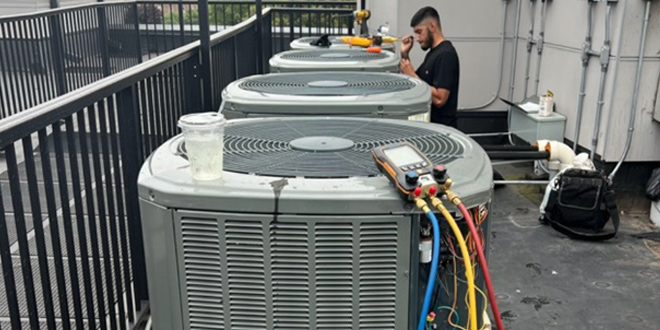
Central air conditioning uses a single outdoor unit connected to an indoor air handler that distributes cooled air through ductwork. This setup is common in homes that already have ducts in place.
Benefits of Central Air
Central air systems offer whole-home cooling with consistent temperatures across all rooms. They are often controlled by a single thermostat, making operation simple and familiar for most homeowners. When paired with professional air conditioning service, central air systems can deliver strong performance and long-term reliability.
Considerations With Central Air
Because central air relies on ductwork, efficiency depends heavily on duct condition. Leaky or poorly insulated ducts can lead to energy loss and uneven cooling. Installation costs may also be higher in homes without existing ducts.
Understanding Ductless Mini-Split Systems
Ductless mini-splits use individual indoor units connected to an outdoor condenser. Each indoor unit cools a specific zone, eliminating the need for ductwork.
Benefits of Ductless Mini-Splits
Ductless systems offer zoned comfort, allowing homeowners to control temperatures room by room. This reduces energy waste and improves comfort in spaces that are difficult to cool with central systems, such as additions, finished basements, or older homes.
Many ductless systems are part of advanced heat pump solutions, providing both efficient cooling and heating from a single system.
Considerations With Ductless Systems
While ductless systems are highly efficient, they require multiple indoor units to cool larger homes, which can affect upfront cost and aesthetics. Proper placement and professional installation are key to maximizing performance.

Energy Efficiency Comparison
Ductless mini-splits are often more energy-efficient than central air systems because they avoid duct losses and provide targeted cooling. Central air can still be efficient, especially when ducts are well-sealed and systems are properly sized, but homes with uneven cooling demands often benefit more from ductless zoning.
Installation and Home Layout Factors
Central air is typically ideal for homes with existing ductwork and open layouts. Ductless systems are well-suited for older homes, renovations, or properties where installing ducts would be disruptive or costly.
Reviewing your options through a professional services overview helps ensure the system you choose aligns with your home’s structure and comfort needs.
Cooling and Heating Flexibility
Many homeowners appreciate the year-round flexibility of ductless systems that provide both heating and cooling. In some homes, ductless units complement existing systems, reducing strain on older equipment and improving comfort in hard-to-condition areas.
Homes with traditional systems may still rely on professional heating services for winter comfort while using central air for cooling.
Which System Is Right for Your Home?
The best choice depends on factors such as:
- Existing ductwork
- Home size and layout
- Comfort preferences
- Energy efficiency goals
- Budget and long-term plans
There’s no one-size-fits-all solution, which is why a professional evaluation is so important.
Work With a Trusted HVAC Partner
Whether you’re considering central air, ductless mini-splits, or a hybrid approach, expert guidance makes all the difference. Working with Integrate Comfort Systems ensures your system is properly selected, installed, and optimized for performance and efficiency. If you’re ready to explore the best cooling solution for your home, contact us to schedule a consultation.