
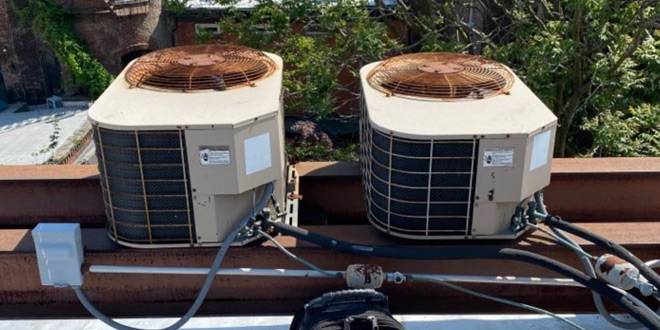
As energy costs rise and efficiency standards evolve, many building owners are rethinking traditional HVAC systems. Commercial heat pump systems are gaining attention for their ability to deliver efficient heating and cooling from a single platform. But are they the right solution for your building? The answer depends on how your facility operates, your comfort requirements, and your long-term energy goals.
What Is a Commercial Heat Pump System?
A commercial heat pump system transfers heat rather than generating it. In cooling mode, it removes heat from the building. In heating mode, it pulls heat from the outdoor air or ground and moves it indoors. This process allows heat pumps to deliver high efficiency compared to conventional fossil-fuel-based systems.
Modern commercial heat pumps are designed to perform reliably even in colder Northeast climates, making them a practical option for many buildings in New York City and New Jersey.
Key Benefits of Commercial Heat Pump Systems
Improved Energy Efficiency
Heat pumps use electricity to move heat instead of burning fuel, which allows them to deliver more energy than they consume. This can significantly reduce overall energy usage and operating costs, especially in buildings with long run times.
Exploring modern heat pump solutions is often a smart step for owners looking to improve efficiency without sacrificing comfort.
Heating and Cooling From One System
Commercial heat pumps provide both heating and cooling, reducing the need for separate systems. This simplifies equipment management and can lower maintenance costs over time.
When paired with professional air conditioning and heating support, heat pump systems offer year-round reliability from a single platform.
Better Zoning and Comfort Control
Many commercial heat pump systems support zoned operation, allowing different areas of a building to maintain independent temperatures. This is especially valuable in offices, healthcare facilities, schools, and mixed-use buildings with varying occupancy and usage patterns.
Improved zoning often leads to fewer comfort complaints and more consistent indoor conditions.
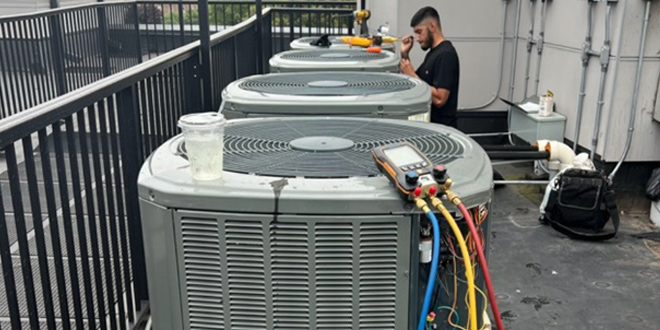
Buildings That Are a Good Fit for Heat Pumps
Commercial heat pump systems are particularly well-suited for:
- Office buildings
- Educational facilities
- Healthcare and medical offices
- Multi-tenant and mixed-use properties
- Retail spaces with variable occupancy
Buildings with moderate heating loads, strong electrical infrastructure, and zoning needs often see the greatest benefit.
A full evaluation through a comprehensive services overview helps determine whether a heat pump system aligns with your building’s operational profile.
Factors to Consider Before Switching
Climate and Building Envelope
While modern heat pumps perform well in cold climates, building insulation, air sealing, and window quality still matter. Buildings with poor envelopes may require additional upgrades to maximize heat pump efficiency.
Electrical Capacity
Heat pumps rely on electricity, so electrical service capacity must be evaluated. Some buildings may need electrical upgrades to support full electrification.
Existing HVAC Infrastructure
In many cases, heat pumps can be integrated with existing systems as part of a hybrid approach. This allows buildings to reduce fuel usage while maintaining backup capacity during extreme conditions.
Professional heating services can help determine whether a phased transition makes sense.
Cost, Incentives, and Long-Term Value
Upfront costs for commercial heat pump systems can be higher than traditional equipment, but long-term savings often offset the initial investment. Lower energy usage, reduced maintenance, and potential incentives or rebates improve overall return on investment.
Planning ahead allows owners to align system upgrades with capital budgets instead of reacting to equipment failure.
Heat Pumps and Sustainability Goals
For buildings pursuing sustainability or emissions-reduction goals, heat pumps are a strong fit. Electrification supports cleaner energy sources and positions properties for future regulatory changes without compromising comfort or reliability.
When Heat Pumps May Not Be the Best Option
Heat pumps may not be ideal for every building. Facilities with extremely high process heat demands, limited electrical capacity, or specific operational constraints may require alternative solutions or hybrid systems.
A professional assessment ensures recommendations are based on real-world performance—not assumptions.

Work With a Commercial HVAC Partner You Can Trust
Choosing the right HVAC system requires technical expertise and an understanding of how buildings actually operate. Working with Integrate Comfort Systems helps commercial property owners evaluate whether heat pump systems are the right fit, plan upgrades strategically, and ensure proper installation and long-term performance. If you’re considering commercial heat pump systems for your building, contact us to schedule a consultation.