
Table of Contents
| Section Title | Overview |
| Why Indoor Air Quality Is Important in Winter | Understand the significance of maintaining indoor air quality during winter. |
| Common Indoor Air Quality Issues in Winter | Learn about common winter-related air quality problems in New Jersey homes. |
| Simple Tips to Improve Indoor Air Quality | Easy and effective methods to enhance your home’s air quality during winter. |
| HVAC System Maintenance for Better Air Quality | Learn how proper HVAC maintenance improves indoor air quality during winter. |
| Advanced Solutions for Optimal Indoor Air | Discover advanced options like air purifiers and humidifiers to enhance air quality. |
| Fun Facts About Indoor Air Quality | Explore interesting facts about air quality and its impact on health. |
| Winter Indoor Air Quality FAQs | Get answers to common questions about winter indoor air quality issues. |
| Take Charge of Your Home’s Air Quality | Final thoughts on improving indoor air quality and how ICS can help you achieve cleaner air this winter. |
Glossary of Terms
| Term | Definition |
| HVAC | Heating, Ventilation, and Air Conditioning system that regulates indoor climate and air quality. |
| HEPA Filter | High-efficiency particulate air filter that removes over 99% of particles from the air. |
| Humidity | The amount of moisture in the air; maintaining balanced levels is key for good air quality. |
| Ventilation | The process of circulating fresh air into indoor spaces while removing stale or contaminated air. |
| Air Purifier | A device that cleans indoor air by filtering out pollutants like dust, allergens, and bacteria. |
| Humidifier | A device that adds moisture to the air to prevent dryness and improve comfort. |
| Carbon Monoxide | A dangerous, odorless gas that can accumulate indoors, especially in winter when homes are sealed tightly. |
| Ductwork | The system of ducts that distributes heated or cooled air throughout your home. |
| VOC | Volatile organic compounds, harmful chemicals that can be emitted from paints, cleaners, and other household items. |
| IAQ (Indoor Air Quality) | The quality of air within a building, determined by levels of pollutants, humidity, and airflow. |
Why Indoor Air Quality Is Important in Winter
Winter in New Jersey means more time spent indoors, with windows sealed tightly to keep the cold out. However, this also means less ventilation, leading to a buildup of indoor pollutants such as dust, pet dander, and mold spores. Poor indoor air quality (IAQ) can negatively impact your health, contributing to allergies, asthma, and other respiratory problems. Maintaining good air quality during the winter months is crucial for your comfort, well-being, and overall health.
In addition to keeping your family healthy, good indoor air quality helps ensure your home’s HVAC system runs efficiently, as clogged filters and dirty vents can lead to system strain and increased energy costs.

Common Indoor Air Quality Issues in Winter
When New Jersey homeowners seal their homes to keep out the cold, they often trap indoor pollutants that can degrade air quality. Here are some common air quality problems you may encounter during the winter:
- Dry Air
Cold outdoor temperatures often lead to dry indoor air, which can cause respiratory irritation, dry skin, and static electricity buildup. - Increased Dust and Allergens
With windows closed, dust, pet dander, and other allergens accumulate in the home, exacerbating allergy and asthma symptoms. - Poor Ventilation
Since homes are sealed in winter to conserve heat, the lack of proper ventilation leads to poor air circulation and a buildup of indoor pollutants. - Carbon Monoxide Risks
The increased use of heaters and fireplaces can elevate the risk of carbon monoxide (CO) exposure. Without proper ventilation, CO can build up to dangerous levels, creating a serious health hazard. - Mold Growth
Condensation from heating and poor humidity control can lead to mold growth, which negatively impacts both air quality and your health.
Simple Tips to Improve Indoor Air Quality
Improving indoor air quality doesn’t have to be complicated. Here are some simple yet effective strategies you can implement during the cold winter months:
- Change HVAC Filters Regularly
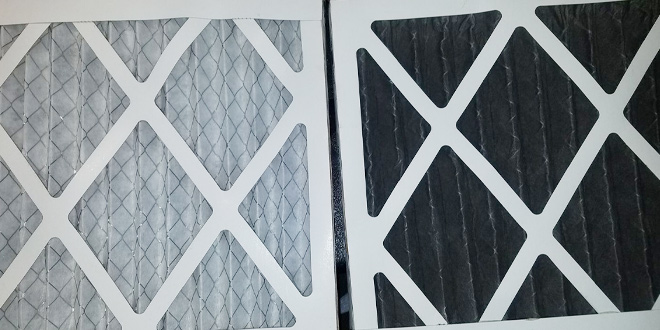
Dirty filters can severely impact air quality by circulating dust and allergens throughout your home. Be sure to change your HVAC filter every 1-3 months. If your system is overdue for maintenance, consider scheduling a checkup by visiting our heater maintenance page. - Use Exhaust Fans
Turn on exhaust fans in the kitchen and bathroom to help remove moisture, odors, and pollutants from your home. Proper ventilation is key to maintaining fresh air during the winter. - Add Houseplants
Certain houseplants, like spider plants and peace lilies, can act as natural air purifiers by absorbing pollutants such as formaldehyde and benzene. - Open Windows When Possible
Even in winter, try to open windows for a few minutes each day to let in fresh air and improve circulation. This is especially helpful when cooking or using cleaning products. - Use a Humidifier
A humidifier adds moisture to the air, reducing dryness and improving comfort. Aim to maintain indoor humidity levels between 30-50%. This also helps prevent the spread of airborne viruses, as dry air makes it easier for germs to circulate. Explore more solutions on our indoor air quality services page.

HVAC System Maintenance for Better Air Quality
Your HVAC system plays a crucial role in maintaining indoor air quality. Regular maintenance helps keep the air in your home clean and fresh by ensuring the system is working efficiently. Here’s how maintaining your HVAC system can improve air quality:
- Regular Filter Changes
As mentioned earlier, replacing HVAC filters regularly is critical. Clean filters trap dust, pollen, and other particles, preventing them from recirculating in your home. Consider upgrading to a HEPA filter for even more effective filtration. - Clean Ductwork
Dust, debris, and mold can build up in your ductwork over time, reducing air quality and spreading pollutants throughout your home. Regular duct cleaning helps remove these contaminants and keeps the air you breathe healthier. - Check for Proper Ventilation
A well-maintained HVAC system ensures proper airflow and ventilation, preventing the buildup of indoor pollutants. If your system is outdated or struggling to maintain adequate airflow, it may be time to consider a replacement. Visit our replacement services page to explore your options. - Schedule Annual Maintenance
Scheduling an annual HVAC inspection is one of the best ways to ensure your system is running efficiently and safely. This not only improves air quality but also prevents system breakdowns during the coldest months. If your system requires repairs, our heating repair services can help.
Advanced Solutions for Optimal Indoor Air
If you want to take your indoor air quality to the next level, consider investing in advanced air purification and humidity control systems. Here are some options to consider:
- Air Purifiers
Air purifiers with HEPA filters or UV light technology can remove up to 99.97% of airborne pollutants, including dust, allergens, and bacteria. These are particularly useful during winter when homes are closed off and fresh air is scarce. - Humidifiers and Dehumidifiers
Depending on your home’s needs, you may benefit from a whole-home humidifier or dehumidifier. While humidifiers add moisture to combat dry air, dehumidifiers remove excess moisture to prevent mold growth and improve comfort. - UV Lights for HVAC Systems
Ultraviolet (UV) lights can be installed within your HVAC system to kill bacteria, mold, and other harmful microorganisms, helping to keep the air cleaner as it circulates through your home. - Ventilation Systems
Adding an energy recovery ventilator (ERV) or heat recovery ventilator (HRV) can improve air circulation without sacrificing energy efficiency. These systems bring fresh air into your home while expelling stale air, all while minimizing heat loss.
To explore these advanced solutions, feel free to reach out through our contact page.

Fun Facts About Indoor Air Quality
- Fact 1: The EPA estimates that indoor air can be 2-5 times more polluted than outdoor air, especially during the winter.
- Fact 2: Houseplants can remove up to 87% of airborne toxins in just 24 hours, according to a NASA study.
- Fact 3: Maintaining a relative humidity level between 30-50% can help reduce the spread of airborne viruses.
- Fact 4: The average person spends 90% of their time indoors, making indoor air quality a key factor for overall health.
Winter Indoor Air Quality FAQs
- How often should I change my HVAC filters during the winter?
It’s recommended to change filters every 1-3 months, depending on your system’s usage and whether you have pets or allergies. - What indoor plants are best for improving air quality?
Spider plants, peace lilies, and snake plants are all great options for absorbing pollutants and improving air quality. - Can dry air in the winter affect my health?
Yes, dry air can irritate your respiratory system, dry out your skin, and increase the likelihood of colds and other illnesses. Using a humidifier can help balance indoor humidity levels. - What are the health risks of poor indoor air quality in winter?
Poor air quality can lead to respiratory issues, allergies, asthma, and prolonged exposure can increase the risk of more severe conditions like heart disease. - Should I keep my HVAC system running all winter to maintain air quality?
Keeping your HVAC system running with a clean filter and proper maintenance can help maintain air quality, but consider adding ventilation or air purification systems for better results.
Take Charge of Your Home’s Air Quality
As the winter months roll in, taking proactive steps to improve your indoor air quality is essential for your health and comfort. From regular HVAC maintenance to investing in advanced air purifying systems, there are many ways to ensure the air in your home stays clean and safe. At ICS, we specialize in helping New Jersey homeowners maintain optimal air quality during the cold season. Whether you need HVAC maintenance, repairs, or air quality solutions, we’re here to help. Contact us today to schedule an appointment and breathe easier this winter!