

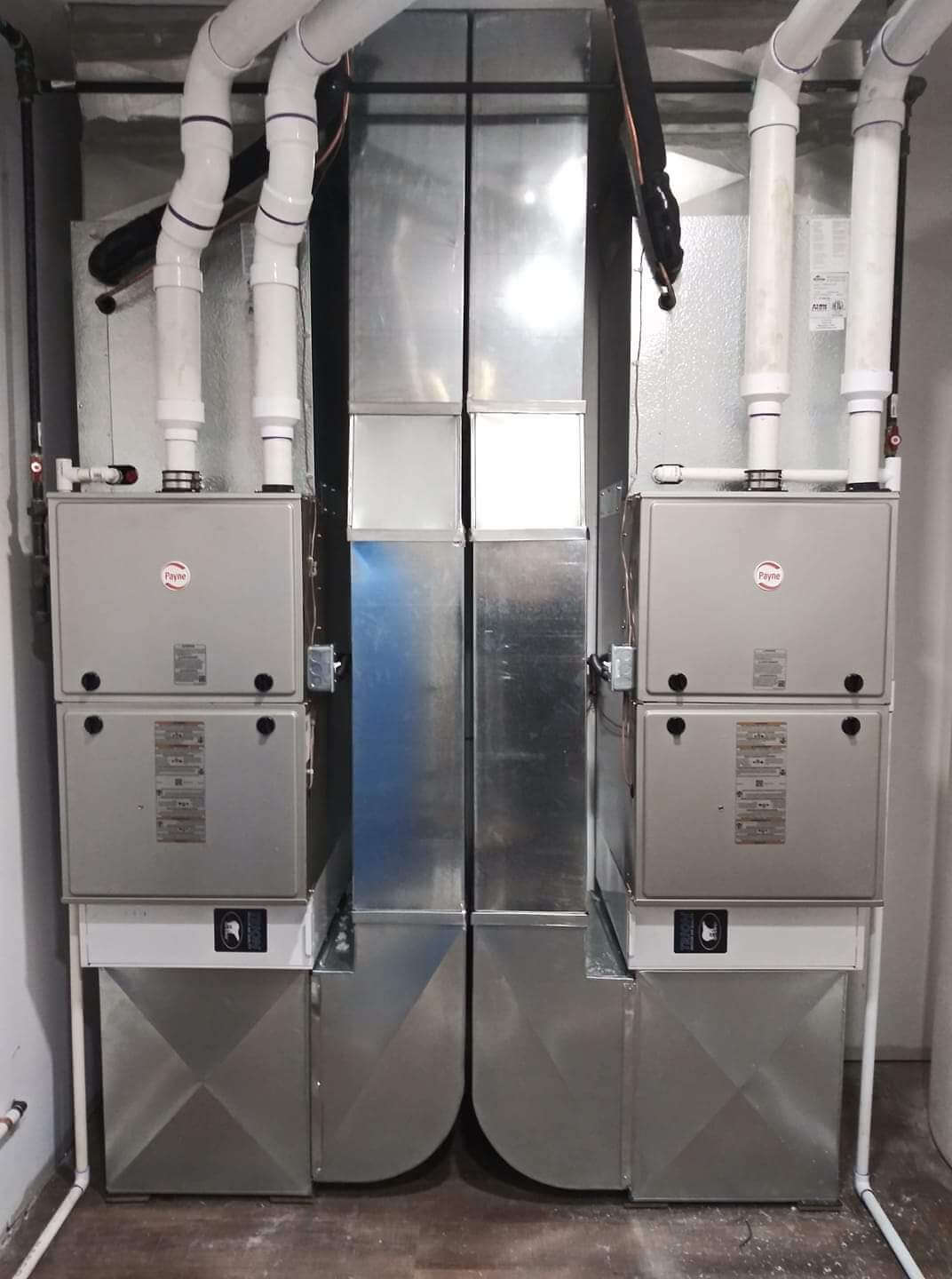
Peak cooling season is when commercial HVAC systems are tested the most—long runtimes, high outdoor temperatures, and heavy occupancy loads can expose weak points fast. Preparing early helps property managers and facility teams prevent breakdowns, control energy costs, and maintain dependable comfort for tenants and occupants across New York City and New Jersey.
Start With a Pre-Season Inspection and Maintenance Plan
The most effective way to prepare for summer is to schedule preventive service before the first heat wave. A structured approach through a comprehensive services overview ensures inspections, testing, and repairs happen on your timeline—not during an emergency.
For many buildings, planning early also allows time for parts sourcing and scheduling around tenant operations.
Prioritize Cooling Equipment Readiness
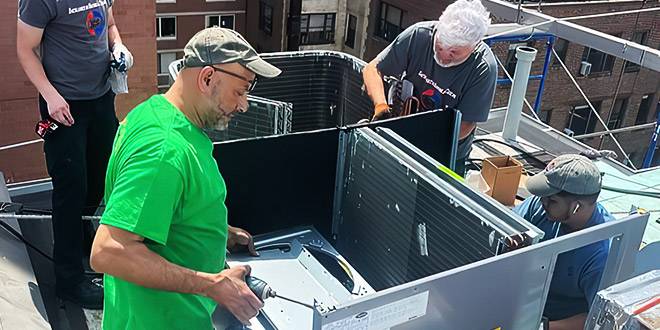
Service Rooftop Units, Split Systems, and Condensers
Cooling equipment should be inspected and tuned for performance, safety, and efficiency. Key pre-season items include:
- Cleaning condenser and evaporator coils
- Verifying fan operation, belts, and bearings
- Inspecting electrical connections, contactors, and capacitors
- Confirming refrigerant levels and system pressures
- Checking vibration, noise, and mounting stability
Coil cleanliness and airflow integrity are foundational—dirty coils alone can reduce capacity and increase energy consumption.
Confirm Economizer Operation and Damper Performance
Economizers can significantly reduce cooling costs when they’re working properly. During peak season prep, ensure:
- Dampers open and close smoothly
- Sensors read accurately
- Sequences of operation are correctly programmed
- Outdoor air intake is appropriate for occupancy and code
Economizer failures often cause hidden energy waste and comfort complaints that worsen during hot weather.
For a complete cooling readiness strategy, coordinate with professional air conditioning service.
Improve Airflow and Distribution Across the Building
Cooling performance isn’t only about the equipment—it’s about distribution. Even strong systems will struggle if airflow is restricted or unbalanced.
Replace Filters and Check Static Pressure
High static pressure and dirty filters reduce airflow, increase energy usage, and raise the risk of frozen coils. Replace filters across units and confirm:
- Supply and return paths are clear
- Fan performance is within spec
- Duct connections are secure and sealed
Address Hot Spots and Tenant Comfort Complaints
Recurring hot/cold zones often point to damper issues, duct leakage, or poor balancing. Fixing distribution problems before summer helps avoid thermostat wars and excessive calls during peak months.
Verify Controls, Scheduling, and Setpoints
A surprising amount of summer energy waste comes from control issues rather than equipment failures.
Calibrate Sensors and Thermostats
If sensors drift out of calibration, systems can overcool, short-cycle, or run continuously. Pre-season commissioning should confirm sensor accuracy and proper zoning response.
Optimize Runtime Schedules
Ensure systems aren’t cooling empty spaces during nights, weekends, or low-occupancy periods. Align schedules with actual building use and consider strategies that reduce peak demand without sacrificing comfort.
Inspect Drainage and Condensate Management
Cooling season brings moisture. Drain issues can cause leaks, microbial growth, and tenant disruption.
Confirm:
- Condensate lines are clear and properly trapped
- Drain pans are intact and not overflowing
- Leak detection devices are functional (if installed)
This is a critical step for rooftop equipment and ceiling-plenum installations.
Evaluate Heating Components During the Shoulder Season
While the focus is cooling, shoulder season is also a smart time to assess heating equipment condition after winter use. Pair cooling prep with professional heater maintenance to identify wear, safety issues, or repairs that can be handled before heating season returns.
If your building uses boilers or hydronic systems, coordinate broader heating services planning as part of your annual HVAC strategy.
Consider Efficiency Upgrades Before Demand Peaks
If your building has recurring summer issues—high bills, comfort complaints, or equipment that can’t keep up—pre-season is the ideal time to evaluate upgrades such as:
- Controls optimization and smarter scheduling
- Economizer repairs or retrofits
- VFDs for fans and pumps
- Coil refurbishment or replacement
- Long-term electrification options like heat pump solutions where appropriate
Small improvements implemented early can have a full-season payoff.
Prepare Your Team and Documentation
Strong peak-season performance depends on clear communication and documentation. Before summer:
- Record baseline readings (temps, pressures, amperage, static pressure)
- Document deficiencies and recommended repairs
- Create a priority list for corrective actions
- Establish escalation procedures for tenant issues
This reduces confusion when conditions worsen and speeds up response when service is needed.
Work With a Commercial HVAC Partner Built for Peak Season
Preparing for peak cooling season is about preventing downtime, controlling operating costs, and keeping occupants comfortable when conditions are toughest. Working with Integrate Comfort Systems helps commercial buildings across NYC and NJ enter summer with confidence—through smart planning, thorough maintenance, and responsive service. If you want to get your systems ready before peak demand hits, contact us to schedule pre-season commercial HVAC service.