

As the temperatures drop across New York and New Jersey, the last thing any commercial property manager wants is a furnace failure in the middle of winter. A well-maintained furnace not only keeps your occupants warm—it also saves energy, prevents costly repairs, and extends equipment life. Whether you manage an office building, school, warehouse, or multifamily property, preparing your furnace ahead of the cold season is essential.
Here’s a step-by-step guide to help you get your furnace winter-ready and ensure your building stays comfortable and efficient when it matters most.
1. Schedule a Professional Inspection
The most important step in preparing your furnace is scheduling a professional inspection before the cold weather hits. A certified HVAC technician can identify issues early, optimize system performance, and help prevent mid-season breakdowns.
During an inspection, a technician will:
- Check the heat exchanger for cracks or corrosion
- Inspect and clean burners and ignition systems
- Test safety controls and gas pressure
- Calibrate thermostats and system settings
- Ensure adequate airflow throughout the system
Integrate Comfort Systems offers comprehensive heating system tune-ups designed specifically for commercial environments. Our preventative maintenance ensures your system operates at peak efficiency and complies with local safety regulations.
2. Replace or Clean Air Filters
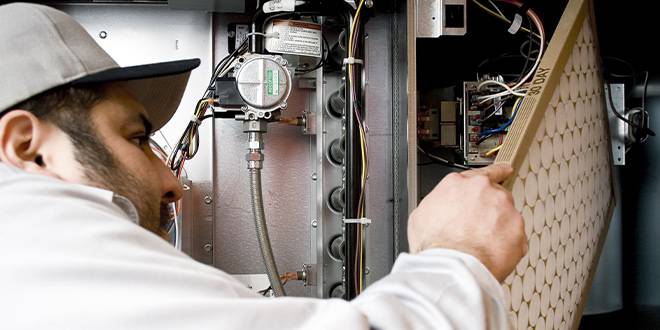
Clogged or dirty air filters can reduce airflow, force your furnace to work harder, and compromise indoor air quality. For high-occupancy buildings or facilities with high dust levels, replacing filters more frequently is often necessary.
We recommend checking air filters monthly and replacing them at least every 3 months—or more often if needed. Clean filters contribute to better system efficiency, lower energy bills, and a healthier indoor environment.
3. Test the Thermostat
Before winter sets in, make sure your thermostat is working properly. An inaccurate or unresponsive thermostat can lead to comfort complaints, inconsistent heating, and energy waste.
Here’s what to do:
- Set your thermostat to heat mode and monitor how quickly and effectively the system responds
- Check that temperature readings are accurate
- Replace batteries if needed
If your building still uses an older manual thermostat, now might be the perfect time to upgrade. Programmable and smart thermostats allow better control over heating schedules, helping reduce unnecessary runtime and energy usage.
4. Inspect the Ductwork
Your furnace relies on a network of ducts to distribute warm air. Leaky or poorly insulated ductwork can cause significant heat loss, uneven temperatures, and higher energy bills.
Inspect your ducts for:
- Visible gaps or disconnected sections
- Signs of dust buildup, mold, or moisture
- Damaged or missing insulation
Sealing and insulating ducts in unconditioned spaces (like basements or utility rooms) can drastically improve heating efficiency. ICS provides professional duct assessments and sealing services for commercial clients throughout the NY/NJ metro area.
5. Clean the Area Around the Furnace
It’s easy to overlook, but the area surrounding your furnace should be kept clear and clean. Clutter and dust can create safety hazards and reduce system efficiency.
To prepare:
- Remove any stored materials, boxes, or debris near the furnace
- Dust and vacuum around the unit
- Ensure vents and return grilles are unobstructed
Maintaining a clear area improves ventilation, prevents fire risks, and allows technicians easier access during service visits.
6. Check Carbon Monoxide Detectors
If your furnace burns natural gas or oil, carbon monoxide (CO) safety is critical. CO is an odorless, invisible gas that can be dangerous in enclosed spaces if undetected.
Be sure to:
- Test all carbon monoxide detectors regularly
- Replace batteries as needed
- Replace older detectors every 5-7 years (check the label for manufacture dates)
Commercial buildings may require more advanced CO detection systems depending on their size and usage. ICS technicians are trained to assess and upgrade CO detection as part of your heating maintenance.
7. Review Your Maintenance Plan
A reactive approach to furnace care can lead to higher operating costs, emergency repairs, and tenant dissatisfaction. That’s why ICS offers customized preventative maintenance programs tailored to commercial properties.
Our plans include:
- Seasonal inspections and tune-ups
- Priority response for urgent service calls
- Detailed reports on system performance
- Energy-saving recommendations
Regular maintenance doesn’t just keep your furnace running smoothly—it protects your investment and ensures uninterrupted comfort for your building occupants.
Get Winter-Ready with ICS
Don’t wait for the first cold snap to address furnace concerns. With a proactive approach, you can reduce downtime, control energy costs, and ensure your building stays warm all season long.
At Integrate Comfort Systems, we’ve been helping businesses in New Jersey and New York prepare their heating systems for winter for over 30 years. Contact us today to schedule a furnace inspection or learn more about our commercial HVAC maintenance plans.
Call us or request service online to get started.