

Cold weather doesn’t just make homes uncomfortable—it places sustained stress on residential heating systems. In New York and New Jersey, where winter temperatures often fluctuate between freezing and extreme cold, heating equipment must work harder and longer to maintain indoor comfort. Understanding how cold weather affects your system can help homeowners recognize warning signs early and take steps to prevent breakdowns.
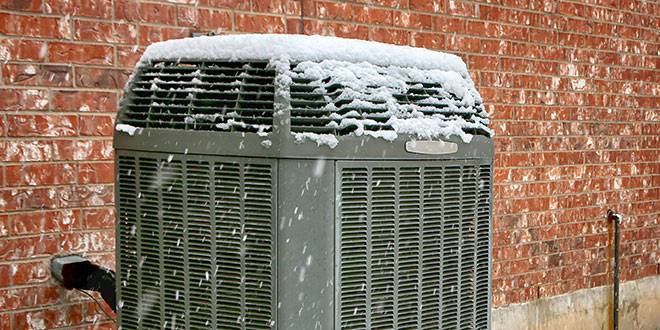
Increased Run Time and System Strain
As outdoor temperatures drop, heating systems must run longer cycles to keep up with demand. This extended operation increases wear on critical components such as motors, burners, heat exchangers, and controls. Over time, even small inefficiencies can lead to higher energy bills and reduced system lifespan.
Homes with older or poorly maintained systems are especially vulnerable, which is why seasonal maintenance and professional heating services are so important heading into winter.
Reduced Efficiency in Extreme Cold
Most residential heating systems are designed to operate within specific temperature ranges. When outdoor temperatures fall well below normal winter averages, efficiency often declines. Furnaces may burn more fuel to maintain output, while heat pumps can struggle to extract enough heat from cold outdoor air.
In colder parts of New Jersey and downstate New York, homeowners using heat pumps may notice:
- Longer heating cycles
- Reduced indoor temperature consistency
- Increased reliance on auxiliary or backup heat
Modern heat pump solutions designed for cold climates can help offset these challenges, but proper setup and maintenance remain critical.
Airflow and Comfort Issues Become More Noticeable
Cold weather often highlights airflow problems that exist year-round but go unnoticed during milder seasons. Blocked vents, leaky ductwork, or poor system balance can lead to uneven heating, cold rooms, and uncomfortable drafts.
When systems run continuously, these airflow issues become more pronounced, forcing equipment to work harder while still failing to deliver consistent comfort throughout the home.
Impact on Indoor Air Quality
Winter heating season also affects indoor air quality. Closed windows, dry air, and extended system operation can circulate dust, allergens, and other airborne particles more frequently. Dirty filters or neglected ductwork can worsen these conditions.
Regular filter changes and system inspections help maintain healthier indoor air during months when homes are sealed tightly against the cold.
Fuel-Based System Safety Concerns
For homes with gas, oil, or propane heating systems, cold weather increases the importance of safety checks. As systems run more frequently, the risk associated with cracked heat exchangers, blocked vents, or malfunctioning burners rises.
Carbon monoxide risks are highest during winter, making professional inspections essential for ensuring safe operation throughout the season.
Why Winter Maintenance Matters More Than Ever
Cold weather doesn’t create HVAC problems—it exposes them. Systems that haven’t been properly maintained are far more likely to fail during extreme temperatures, often when service demand is highest.
Scheduling professional maintenance before or during winter allows technicians to:
- Identify worn or failing components
- Optimize system efficiency
- Ensure safe, reliable operation during peak heating season
Homeowners can explore full residential HVAC support options through the Integrate Comfort Systems services overview or learn more about the company’s experience serving New York and New Jersey on the ICS homepage.

Stay Ahead of Cold-Weather Heating Problems
Understanding how cold weather impacts residential heating systems empowers homeowners to act before minor issues turn into major disruptions. With proper maintenance, efficient equipment, and professional support, your heating system can deliver consistent comfort all winter long.
If your system is struggling in cold weather or hasn’t been inspected recently, schedule service through the Integrate Comfort Systems contact page to work with a trusted HVAC team serving NY and NJ.