

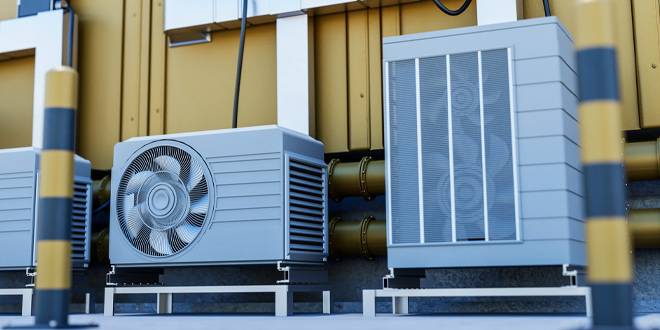
Energy costs are one of the largest operating expenses for commercial buildings. Aging HVAC systems, outdated controls, and inefficient equipment can quietly drain budgets year after year. Strategic commercial HVAC upgrades improve energy efficiency, reduce operating costs, and enhance occupant comfort—while extending the life of critical systems.
Why Energy-Efficient HVAC Upgrades Matter
Commercial HVAC systems often operate for long hours under varying loads. Even small inefficiencies multiply quickly across large spaces and extended runtimes. Upgrading key components allows buildings to use less energy while maintaining reliable performance, helping owners and facility managers control costs and plan smarter long-term investments.
Upgrade Building Controls and Automation Systems
Smart Controls and Scheduling Optimization
Outdated or manual controls are one of the most common sources of energy waste. Modern building automation systems optimize runtimes, setpoints, and zone control based on real occupancy and usage patterns.
Upgraded controls can:
- Eliminate cooling or heating during unoccupied hours
- Reduce simultaneous heating and cooling
- Improve response to changing outdoor conditions
- Provide data for ongoing efficiency improvements
Control upgrades often deliver fast payback with minimal disruption.
Replace or Retrofit Rooftop Units
High-Efficiency Rooftop Units (RTUs)
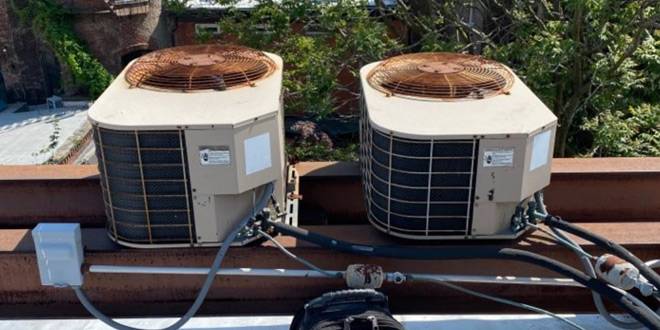
Older rooftop units operate far below current efficiency standards. Replacing them with modern, high-efficiency RTUs can significantly reduce energy consumption while improving reliability.
Newer units offer:
- Variable-speed fans and compressors
- Improved economizer performance
- Better airflow control
- Enhanced diagnostics and monitoring
Coordinating RTU upgrades with professional air conditioning service ensures systems are properly selected and commissioned for maximum efficiency.
Install Variable Frequency Drives (VFDs)
VFDs allow motors to adjust speed based on real-time demand instead of running at full capacity constantly. Installing VFDs on supply fans, return fans, and pumps can dramatically reduce electrical consumption.
Benefits include:
- Lower energy usage during part-load conditions
- Reduced mechanical stress and wear
- Quieter operation
- Improved system lifespan
VFDs are especially effective in buildings with variable occupancy or extended operating hours.
Improve Airflow and Distribution Efficiency
Duct Sealing and System Balancing
Leaky ductwork and poor airflow distribution force HVAC systems to work harder than necessary. Sealing ducts, correcting pressure imbalances, and rebalancing airflow reduce wasted energy and improve comfort.
These upgrades also reduce hot and cold spots that often lead occupants to override thermostats—further increasing energy use.
Upgrade to High-Efficiency Boilers and Heating Equipment
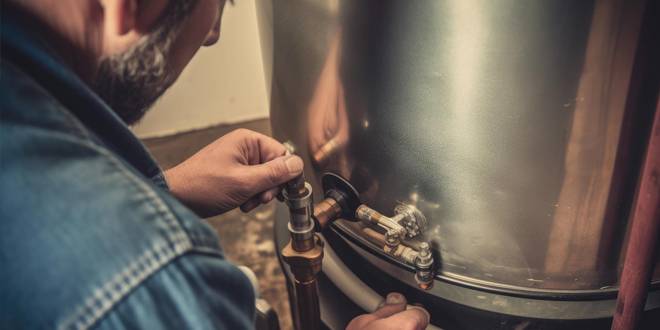
For buildings that rely on boilers or hydronic systems, upgrading to high-efficiency equipment can significantly reduce fuel consumption. Condensing boilers and modern burners extract more usable heat from fuel while delivering consistent performance.
Pairing equipment upgrades with professional heating services ensures safe operation, proper sizing, and long-term efficiency gains.
Explore Heat Pump and Electrification Options
Commercial Heat Pump Solutions
In many commercial applications, modern heat pump solutions offer an efficient alternative to traditional fossil-fuel systems. Heat pumps provide both heating and cooling from a single system while reducing energy use and emissions.
Heat pumps are especially effective for:
- Office buildings
- Mixed-use properties
- Educational and healthcare facilities
- Retrofit projects with efficiency goals
Evaluating heat pump feasibility early allows buildings to plan phased electrification strategies.
Upgrade Economizers and Ventilation Controls
Economizers reduce cooling demand by using outdoor air when conditions are favorable. However, many economizers fail or operate incorrectly, wasting energy without obvious symptoms.
Upgrading or recommissioning economizers ensures:
- Proper damper operation
- Accurate sensor calibration
- Correct control sequences
This upgrade alone can deliver substantial cooling savings during shoulder seasons.
Replace Aging Equipment Strategically
Rather than waiting for failure, replacing aging HVAC components proactively allows buildings to:
- Avoid emergency replacement costs
- Select higher-efficiency equipment
- Coordinate upgrades with budgets and schedules
- Reduce downtime and disruption
A phased upgrade approach guided by a full services overview helps prioritize the improvements with the strongest return on investment.
Maintenance Enhances the Value of Upgrades
Even the most efficient HVAC upgrades require ongoing care to perform as designed. Preventive maintenance protects efficiency gains, reduces breakdown risk, and ensures upgraded systems deliver long-term savings instead of short-term improvements.
Work With a Trusted Commercial HVAC Partner
Energy-efficient HVAC upgrades require technical expertise, careful planning, and precise execution. Working with Integrate Comfort Systems helps commercial property owners and facility managers identify the right upgrades, avoid unnecessary costs, and maximize long-term energy savings. If you’re evaluating efficiency improvements or planning HVAC upgrades, contact us to schedule a consultation.